Corrosion prevention characteristics of fiberglass products
Release Time:
2023-05-10
Fiberglass reinforced plastic products have become the transmission medium for many industries due to their strong corrosion resistance, but what is it that enables them to achieve their unique characteristics.
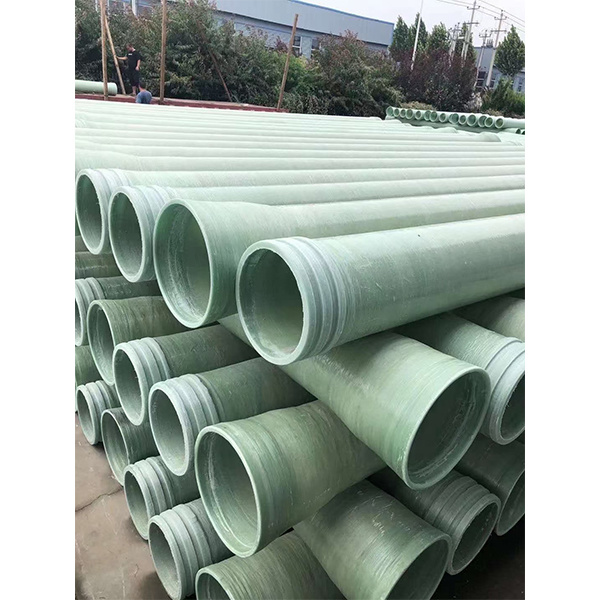
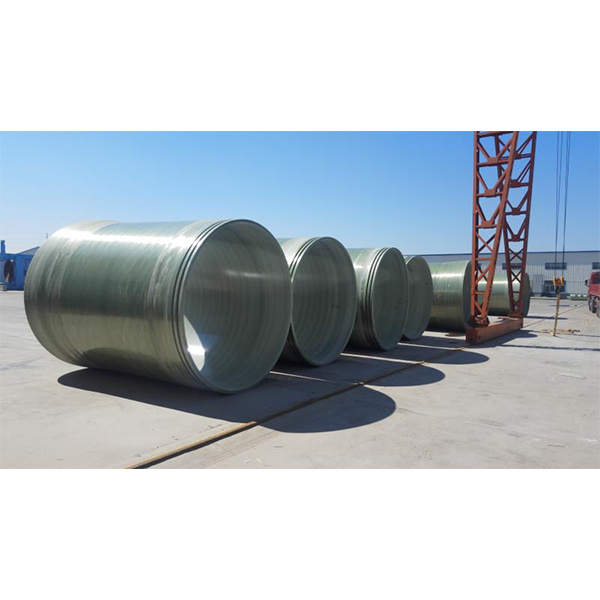
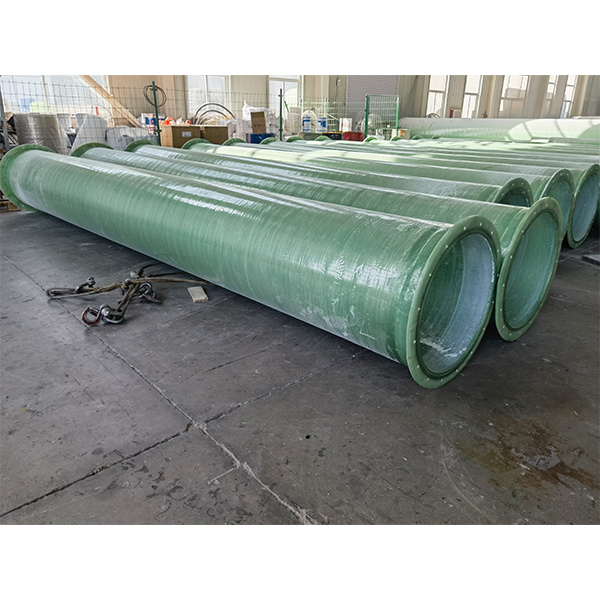
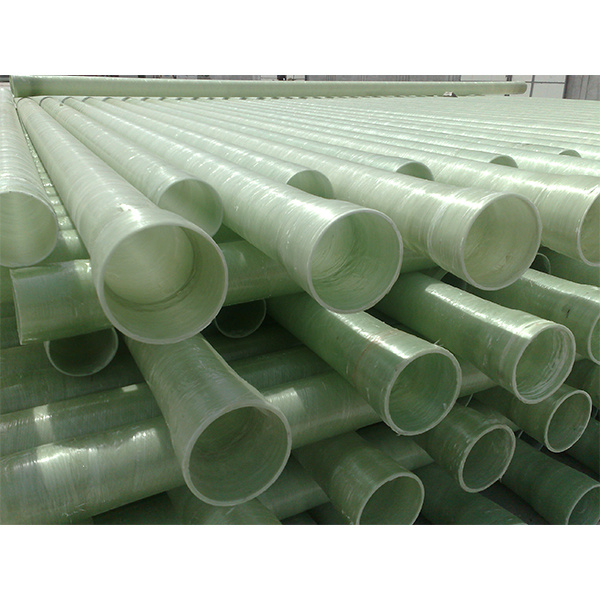
Fiberglass reinforced plastic products have become the transmission medium for many industries due to their strong corrosion resistance, but what is it that enables them to achieve their unique characteristics. The structure of fiber wound fiberglass products is divided into three parts: inner lining layer, structural layer, and outer protective layer. Among them, the resin content of the inner lining layer is high, generally over 70%, and the resin content of the resin rich layer on the inner surface is as high as about 95%. By selecting the resin used for the lining, fiberglass products can have different corrosion resistance when conveying liquids, thus meeting different work needs; For occasions that require external anti-corrosion, only by carefully selecting the resin for the external protective layer, can different external anti-corrosion purposes be achieved.
According to different corrosive environments, fiberglass products can choose different anti-corrosion resins, mainly including: m-benzene unsaturated polyester resin, vinyl resin, bisphenol A resin, epoxy resin, and furan resin. According to specific circumstances, bisphenol A resin, furan resin, etc. can be selected for acidic environments; For alkaline environments, choose vinyl resin, epoxy resin, or furan resin, etc; For solvent based environments, use resins such as furan; When the corrosion caused by acids, salts, solvents, etc. is not very severe, relatively inexpensive meta benzene type resins can be selected. By selecting different resins for the inner lining layer, fiberglass products can be widely used in working environments such as acids, alkalis, salts, and solvents, demonstrating good corrosion resistance.